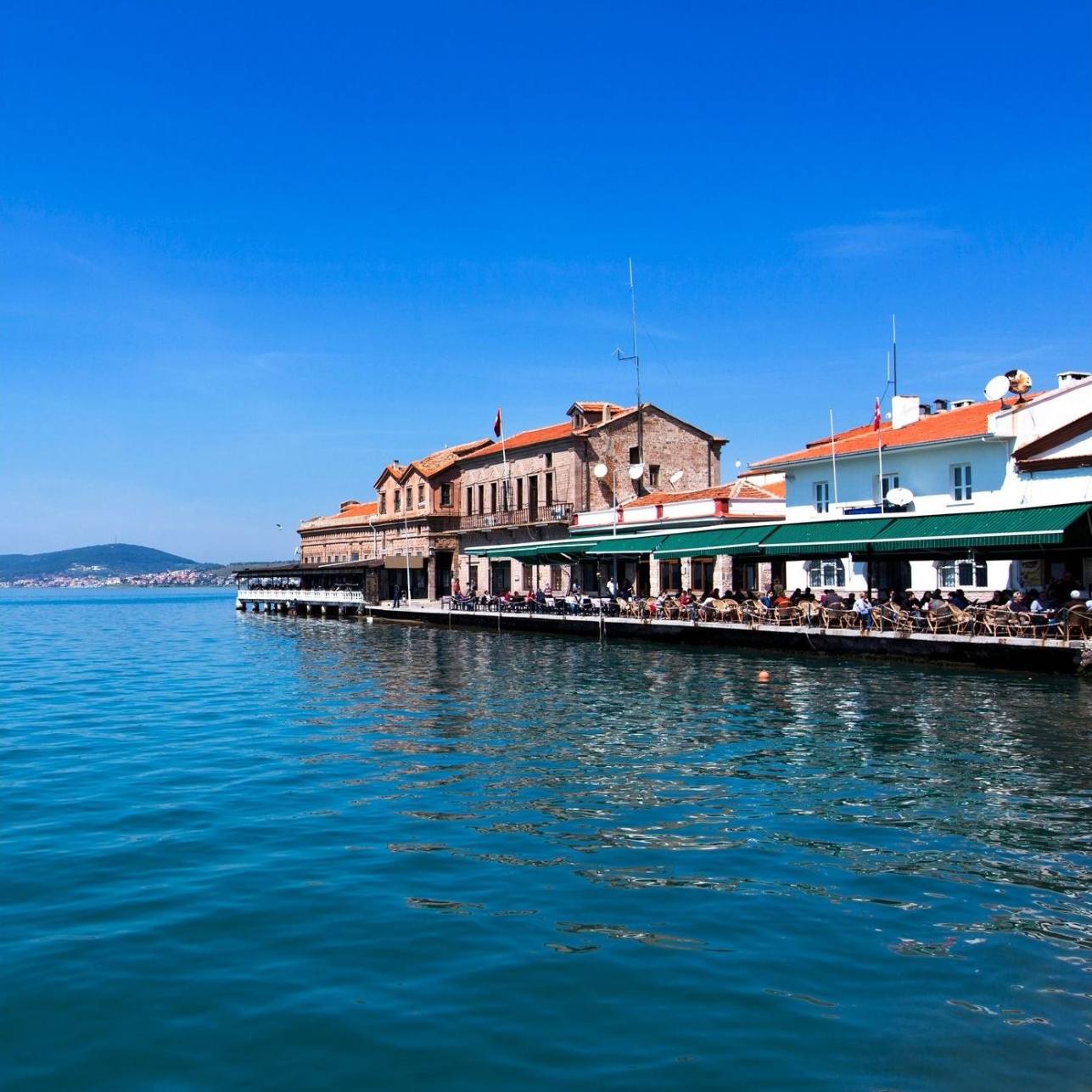
Cunda Island
A piece of paradise that stretches like delicate lace over the deep blue waters of the Northern Aegean, full of the whispers of olive trees, with history permeating every corner: Cunda Island. Also known as Alibey Island, this fascinating settlement is not only a dream destination for travelers looking for hidden Northern Aegean holiday spots with its natural beauties, but also with its deep-rooted history, unique architecture, and exquisite flavors. This is a haven for free-spirited explorers who want to get away from the crowds, immerse themselves in an authentic culture, and nourish their souls with the tranquility of the Northern Aegean.
This article aims to provide you with a comprehensive guide by detailing the historical texture, natural beauties, places to visit, and mouth-watering local delicacies of Cunda Island. You will get lost in the cobblestone streets of Cunda, cool off in the cool waters of Cunda's beaches, follow the traces of Cunda's history, and get to know the magical flavors of the Northern Aegean cuisine. At the same time, we will inspire those who want to take an inner journey through this island, which offers an authentic discovery opportunity intertwined with nature, and open the doors to new experiences. Get ready, because the Ayvalık-Cunda route invites you to discover and live!
The Story and Historical Texture of Cunda Island
Cunda Island, officially known as Alibey Island, is the only island among the Ayvalık islands connected to the mainland by a bridge. This geographical connection played a major role in the island's being a strategic and commercial center throughout history. The island's history dates back to ancient times; however, it experienced its most brilliant period during the Ottoman Empire, especially when the Greek population was dense.
Cunda was home to a large Greek Orthodox community until the population exchange in 1923. The Greek architecture felt in every corner of the island is the most prominent trace of this rich cultural past. The stone houses, narrow streets, arched passages, and colorful windows are like an open-air museum. Every street is full of stories extending from the past to the present. With the settlement of the Turkish population who came from Crete after the exchange, the cultural mosaic of the island became even richer. The lifestyle and especially the Cretan dishes brought by the Cretans added a unique flavor to the island's culinary culture.
Cunda's history is a layered structure that carries the traces of many civilizations. The name of the island comes from the Greek word "Cunda," which means windy. This name reflects the soul of the island, which is always dancing with the characteristic winds of the Northern Aegean. Today, Cunda has a calm but at the same time lively atmosphere that blends the past with the present. The restored Cunda stone houses, which have preserved their historical texture, host boutique hotels and restaurants, offering visitors an authentic accommodation and culinary experience. As you wander around the island, you will feel this special atmosphere where history and the sea are intertwined embracing you.
Places to Visit on Cunda Island
Cunda Island has many spots waiting to be discovered, where every corner tells a different story. Every moment spent here allows you to feel the soul of the island more deeply.
Taksiyarhis Church and Rahmi Koç Museum
One of the most iconic structures of Cunda Island, the Taksiyarhis Church is a magnificent building built by the Greek community in the early 1900s. This church, which draws attention with its neo-classical architecture and impressive interior decorations, held an important place in the island's religious and cultural life. The church has been transformed into the Rahmi Koç Museum after a meticulous restoration process. This transformation has preserved the cultural heritage of the building while at the same time giving it a new function.
The museum hosts objects that reflect different aspects of technological developments and daily life, especially industrial and transportation vehicles. A wide collection, from classic cars to ship models, from toys to old household items, offers visitors a pleasant journey through time. This structure, which contributes to the historical atmosphere of Cunda Island, acts as a bridge between the past and the present. While visiting the Taksiyarhis Church, you will both admire the architectural beauty and nourish your mind with the collections in the museum. This is an important stop that should be at the top of your Cunda must-see list.
Cunda's Streets and Bazaar
The narrow cobblestone streets of Cunda are the locations that best reflect the soul of the island. Walking on these streets is like wandering in an open-air gallery. Every corner carries a riot of colors, a whisper of history. The colorful Cunda stone houses lined up along the streets, with their windows decorated with bougainvillea, offer postcard-worthy views. Getting lost in these streets means letting yourself go to the calm rhythm of the Northern Aegean.
Cunda's Bazaar is the heart of the island. Here, taking a break at boutique cafes to taste local delicacies is a great option to relieve your fatigue. You can buy original gifts for your loved ones from the gift shops selling olive oil soaps, local herbs, handmade jewelry, and works of art. While wandering in the bazaar, chatting with the tradesmen, getting to know the local culture more closely, and being a part of the island's sincere atmosphere offers an unforgettable experience. In the evenings, the bazaar turns into a festival-like place with its brightly lit restaurants and lively atmosphere.
Agios Yannis Church
Agios Yannis Church is located at the highest point of Cunda, and the magnificent island view from here is breathtaking. The ruins of the church stand alone and majestically on the top of the island, carrying the traces of the past. Although climbing up here is a little laborious, the panoramic view you encounter when you reach the top is worth everything. The endless blue of the Northern Aegean Sea, the lush green silhouettes of the Ayvalık islands, and all the beauty of Cunda are spread out at your feet. Watching the view from this point, especially at sunset, is like witnessing a corner of paradise.
Places to Swim and Beaches on Cunda Island
Cunda Island offers many natural bays and calm beach alternatives for those dreaming of a sea holiday. The clear and cool waters of the Northern Aegean are ideal for cooling off and sunbathing in the summer months.
Ortunç Bay and Patriça Beach
-Ortunç Bay: This is one of the most well-known and most beautiful bays of Cunda Island. Famous for its clear turquoise waters and natural surroundings that contain every shade of green, Ortunç offers a calm and peaceful sea pleasure. Although there are facilities where you can rent sun loungers and umbrellas in the bay, it has largely preserved its naturalness. It is one of the most preferred among Cunda's beaches. -Patriça Beach: This is one of the less-known but famous bays of the island with its tranquility. Patriça, which has a pebbly beach, is ideal especially for those who want to get away from the crowds and swim in a peaceful environment. Its clear waters and the olive trees around it create a peaceful atmosphere. In addition to Cunda, there are many hidden bays and beaches waiting to be discovered on other small islands among the Ayvalık islands. You can experience the untouched beauties of the Northern Aegean by reaching these islands with boat tours.
What to Eat on Cunda Island? Local Delicacies
Cunda Island is a delicious stop that leaves a mark on the palate with its rich Northern Aegean cuisine and especially Cretan dishes. The island's unique culinary culture is full of fresh seafood, olive oil mezes, and unique flavors prepared with herbs.
-Seafood: You cannot go to Cunda and return without eating fish! You can try daily caught delicacies such as squid, octopus, shrimp, red mullet, and sea bream in the island's fish restaurants. Grilled octopus and fried squid are among the most popular options.
-Olive Oil Dishes: Ayvalık and Cunda are the heart of olive oil. Olive oil mezes such as artichoke, black-eyed peas, sea beans, nettle, and stuffed zucchini flowers are indispensable on the tables. These delicacies are prepared with Cunda's fresh herbs and create a feast for the palate.
-Influence of Cretan Cuisine: With the influence of the Turkish population who came from Crete with the population exchange, Cunda's cuisine has been enriched with Cretan dishes. Cretan-specific recipes such as "papaz yahnisi" (priest's stew) and "kabak çiçeği dolması" (stuffed zucchini flowers) are often found in the island's restaurants.
-Lor Dessert: A famous dessert specific to Cunda, lor dessert is a light and delicious option prepared with fresh curd cheese. It is served with clotted cream or ice cream.
-Street Delicacies: While wandering in the streets of Cunda, you can find snacks such as freshly squeezed fruit juices, ice cream, and local cookies. Among Cunda's restaurant recommendations, especially the fish restaurants on the coast and the boutique places in the side streets stand out. Each has a unique atmosphere and menu.
Accommodation Options Near Cunda
The question of where to stay on Cunda Island is an important issue for visitors. Within the island, there are boutique hotels, pensions, and charming boutique facilities located in restored Cunda stone houses. These accommodations are designed in harmony with the historical texture of the island and offer you an authentic Cunda experience. Staying close to the harbor or in the bazaar allows you to experience the island's lively atmosphere more closely.
However, if you want to get away from the hustle and bustle of Cunda and are looking for a calmer and more original accommodation in the heart of nature, you can consider the Balıkesir, Türkiye, accommodation options in the Ida Mountains region. Adatepe Village, which is about 1.5 hours away from Ayvalık-Cunda, offers a unique alternative that draws attention with its stone house concept. Orion Adatepe offers a home-hotel experience that goes beyond classical hotel management and combines the sincerity and comfort of a stone house. By staying here, you can both discover the beauties of Cunda and rest your soul in the clean air of the Ida Mountains among the whispers of the olive trees. This is a unique holiday concept where you can experience both the cultural richness of the Northern Aegean and the tranquility of nature together.
How to Get to Cunda Island?
Getting to Cunda Island is quite easy and offers various alternatives.
-By Road: There are bus services to Ayvalık, Türkiye, from many big cities of Türkiye. You can easily reach Cunda Island from the Ayvalık Bus Terminal by minibus or taxi. If you are coming with your private car, you can go to the island by using the bridge that connects to Cunda Island after reaching Ayvalık, Türkiye. The bridge is open 24 hours a day.
-By Air: The closest airport is Balıkesir Koca Seyit Airport (EDO). You can get to Ayvalık, Türkiye, from the airport by Havaş services or taxi. You can go to Cunda from Ayvalık, Türkiye, by minibus or taxi as mentioned above.
-By Sea: There are also regular boat services from Ayvalık city center to Cunda Island. Especially in the summer months, these boats offer a short and pleasant sea journey.
Cunda Island, located on the Northern Aegean holiday route, is an ideal destination for both short getaways and long-term holidays thanks to its easy access.
While Cunda Island can offer an unforgettable holiday experience with its historical texture and elegant life specific to the Northern Aegean, if you are looking for an original accommodation alternative intertwined with nature, how about discovering the stone house experience in the Ida Mountains with Orion Adatepe?
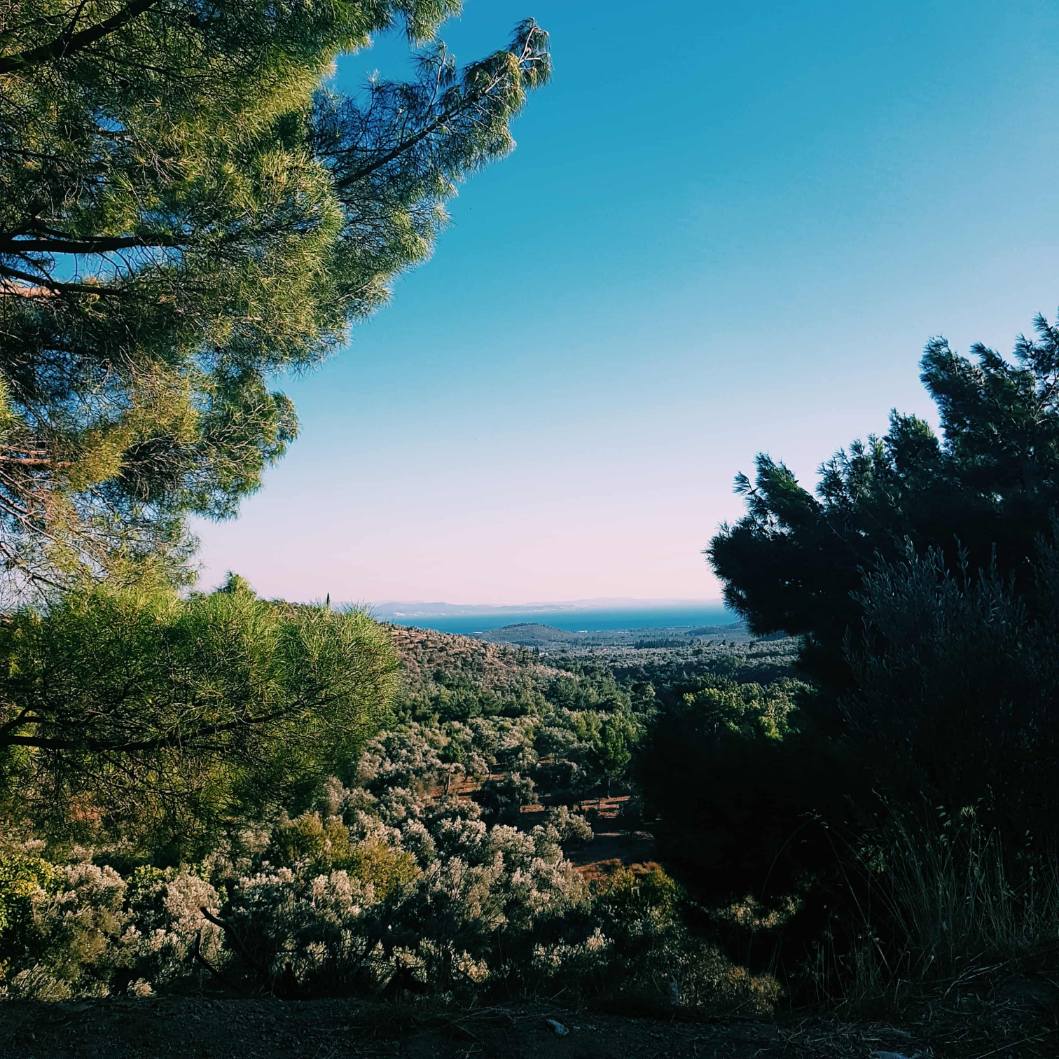 Ida Mountains (Kaz Dağları)
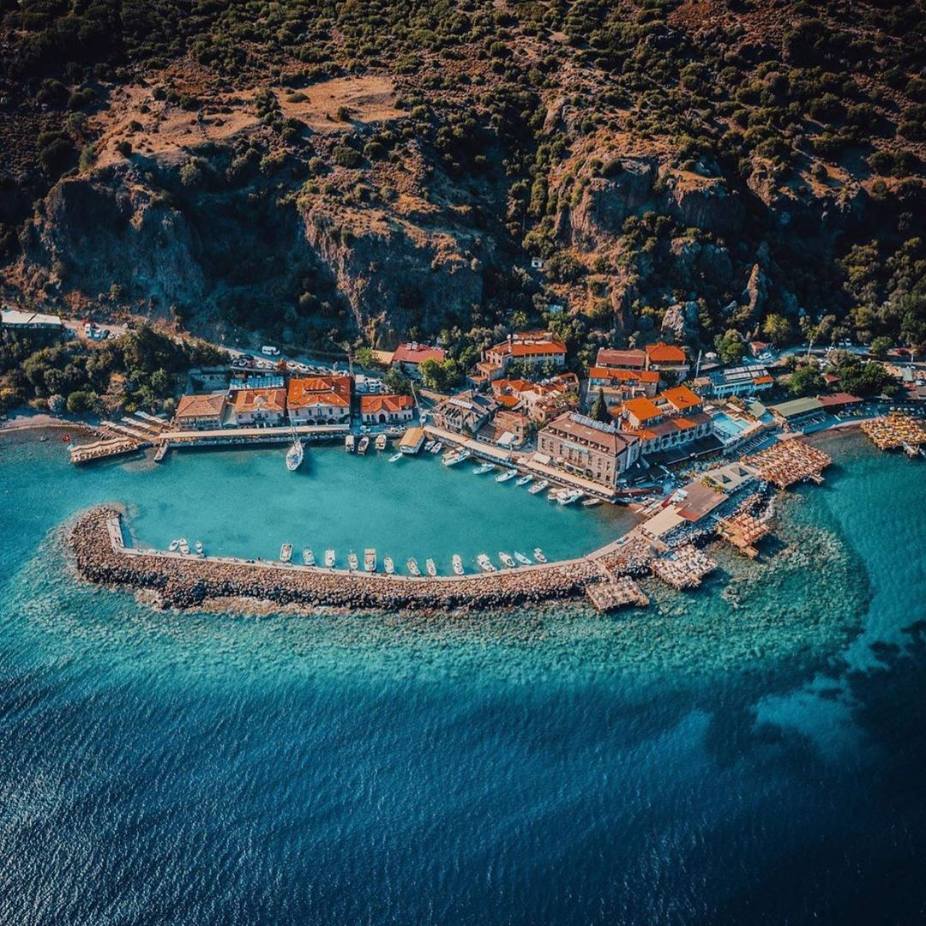 Assos
Assos
 Zeus Altar
 Adatepe Village
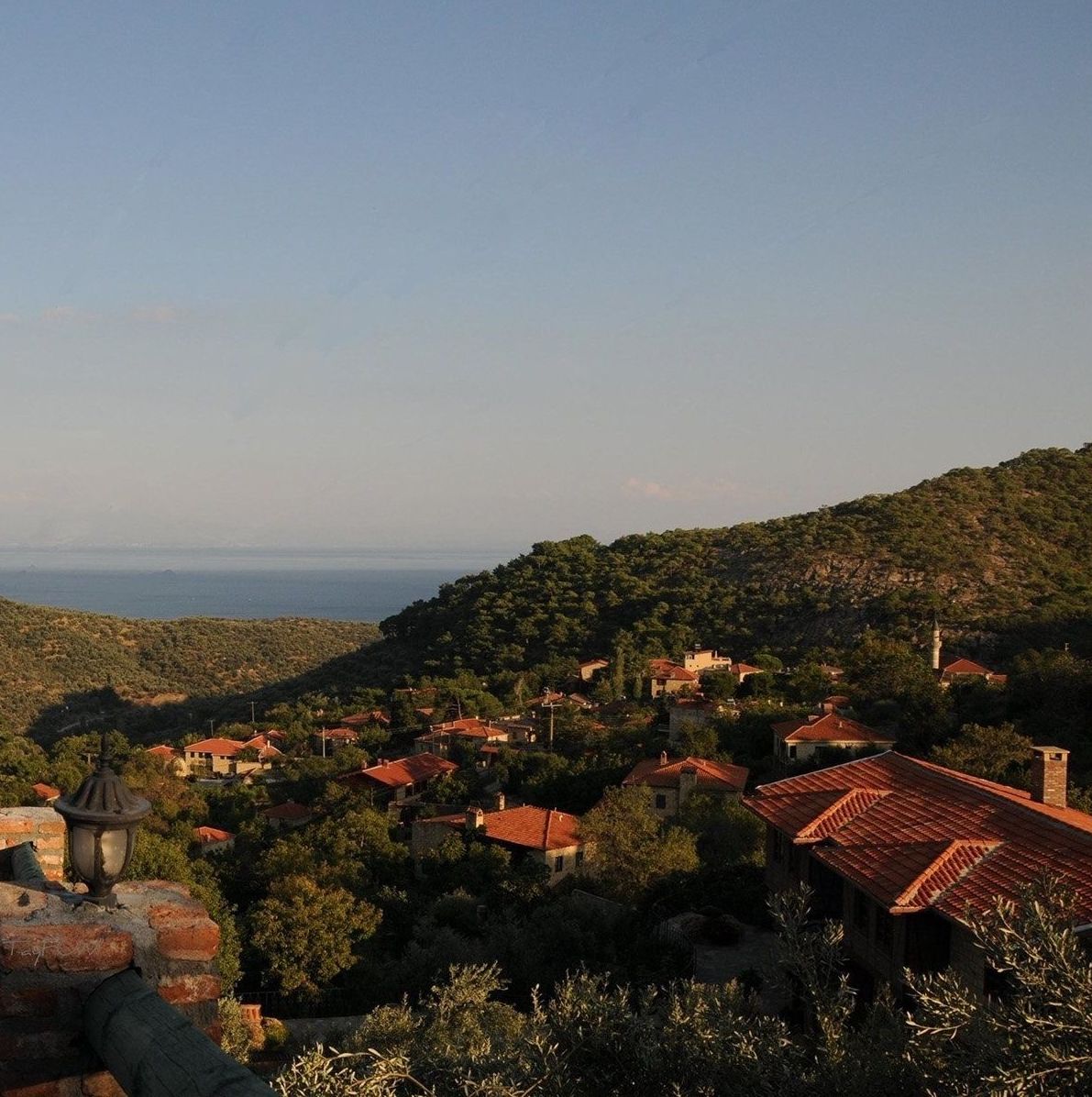 Yeşilyurt Village
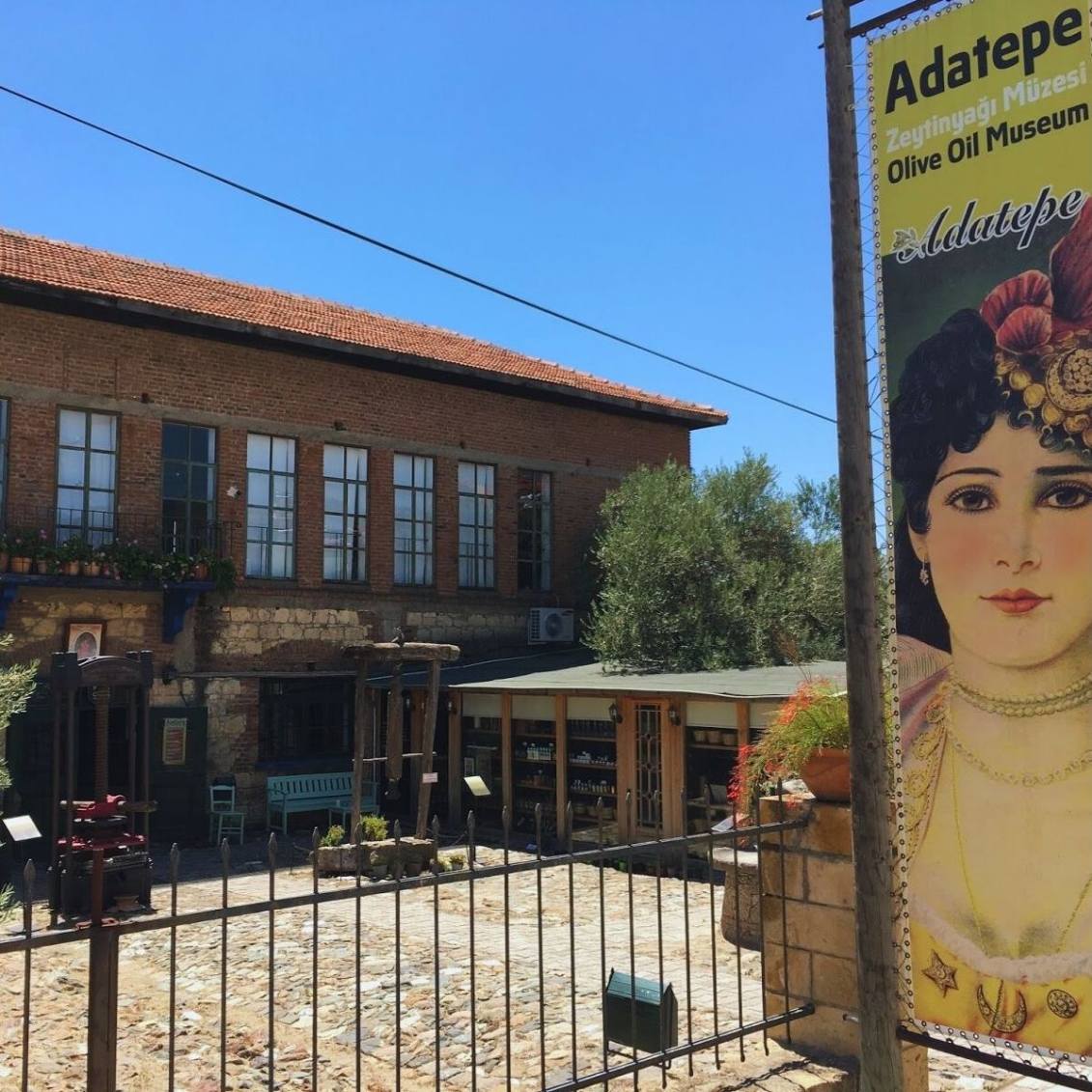 Adatepe Oil Olive Museum
 Şahindere Canyon
 Mount Ida National Park
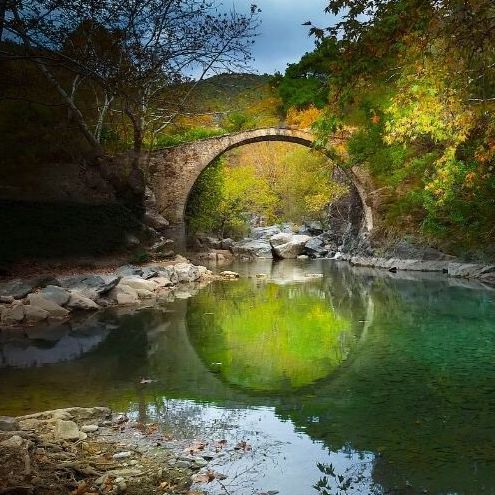 Mıhlı Waterfall
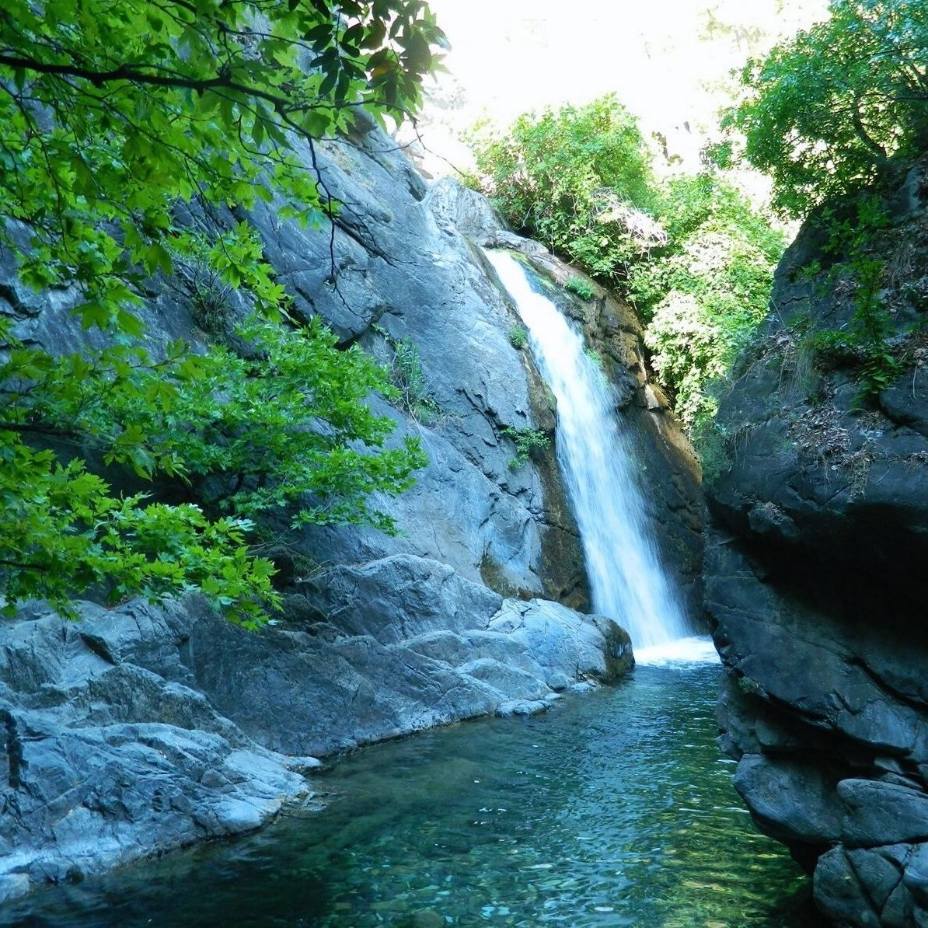 Hasan Boğuldu Waterfall
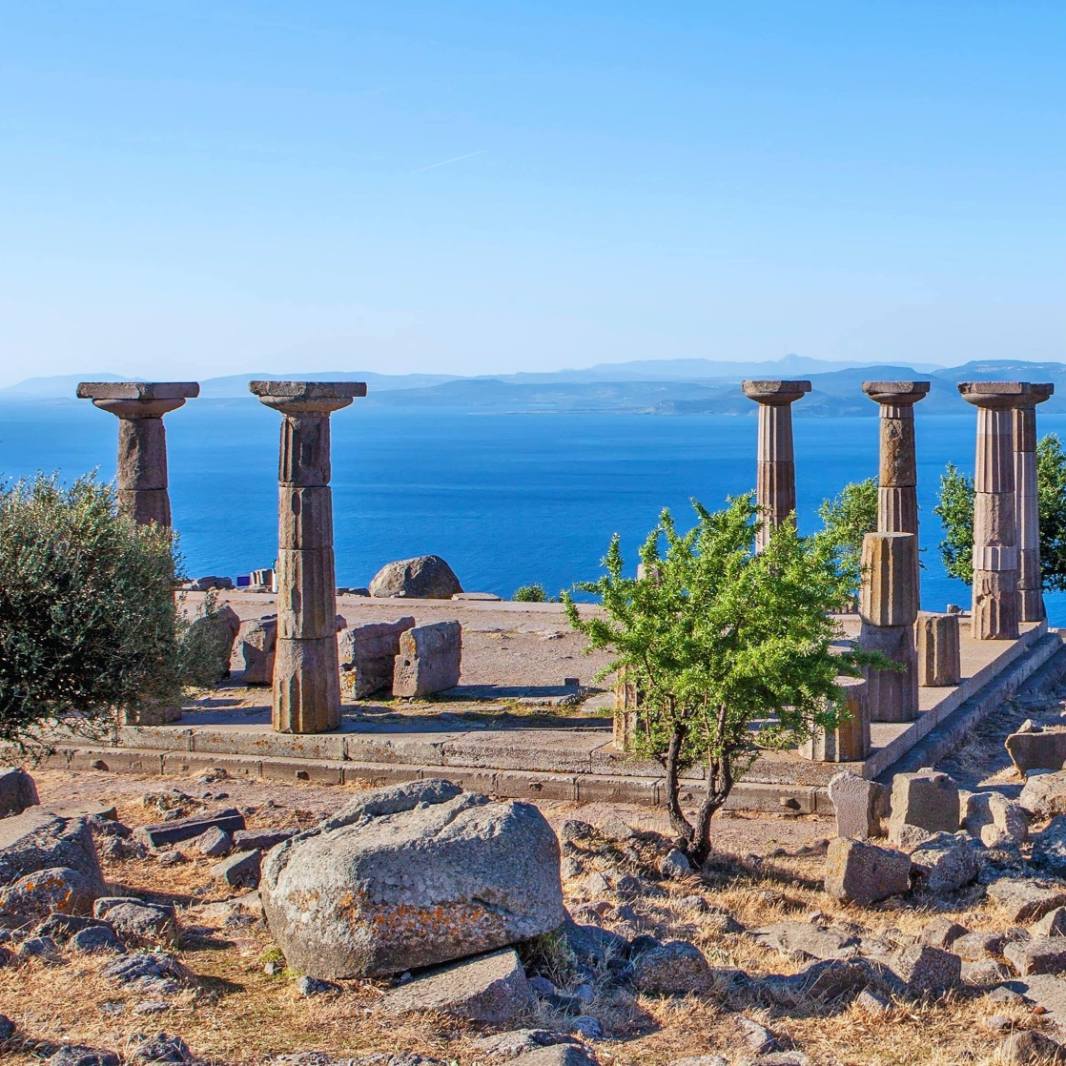 Troy Ancient City
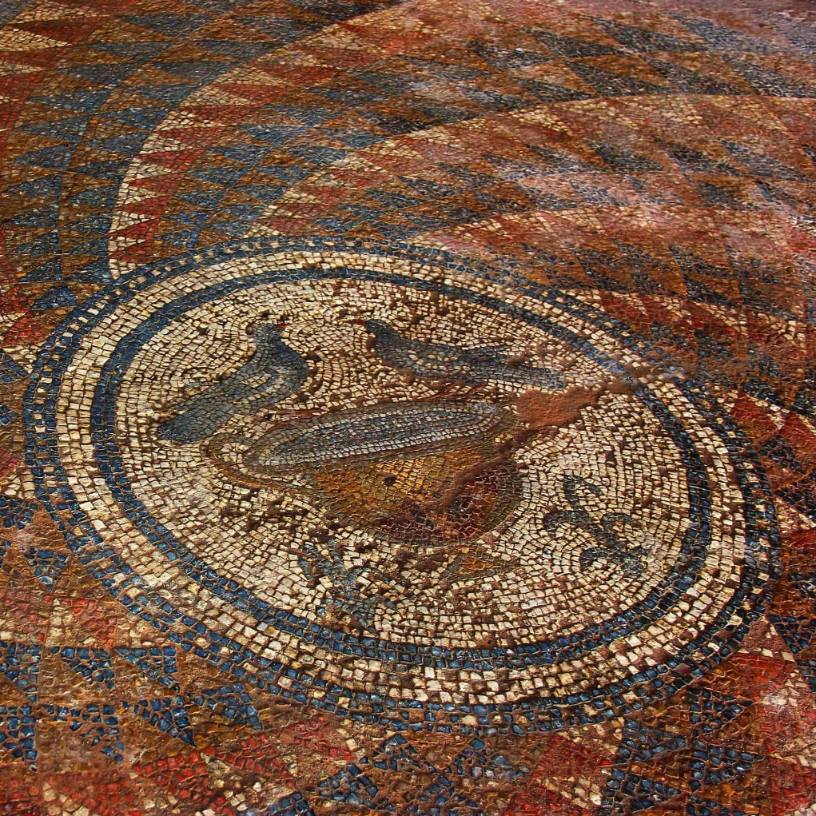 Antandros Ancient City
 Behramkale
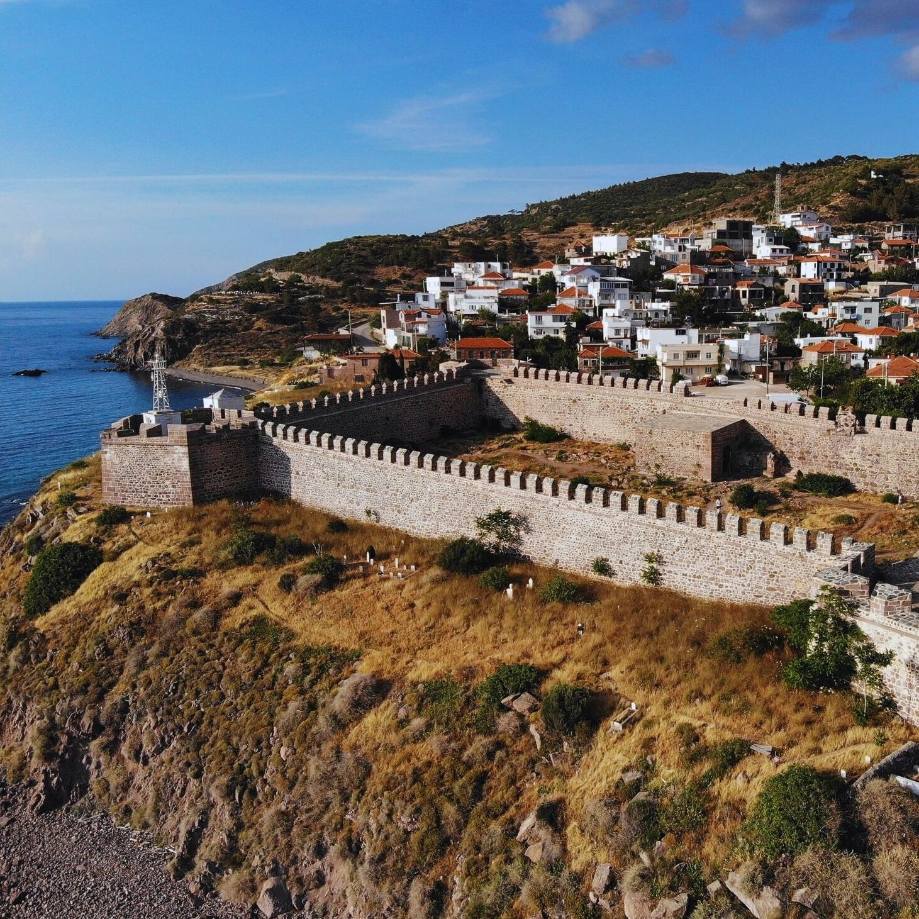 Babakale
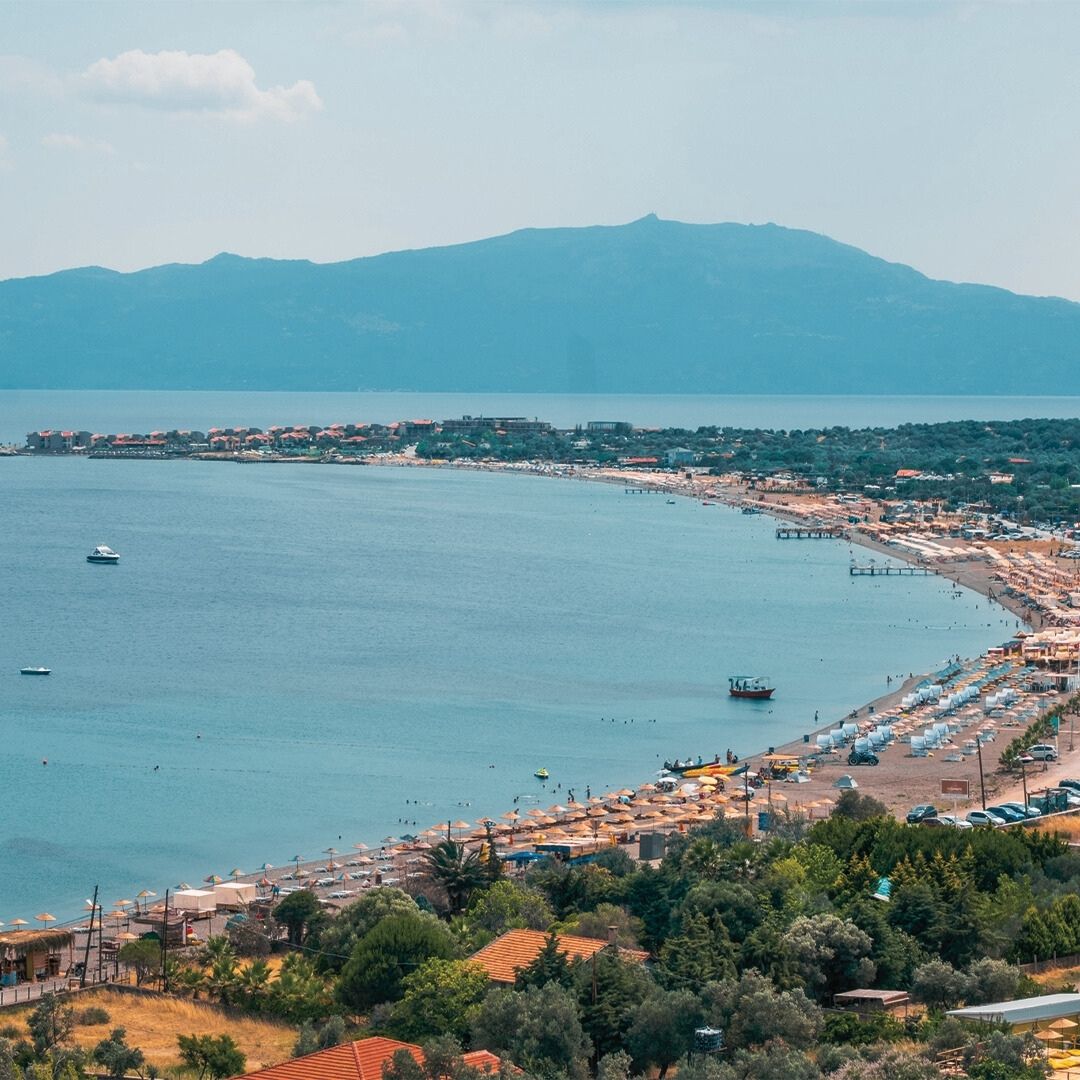 Kadırga Bay
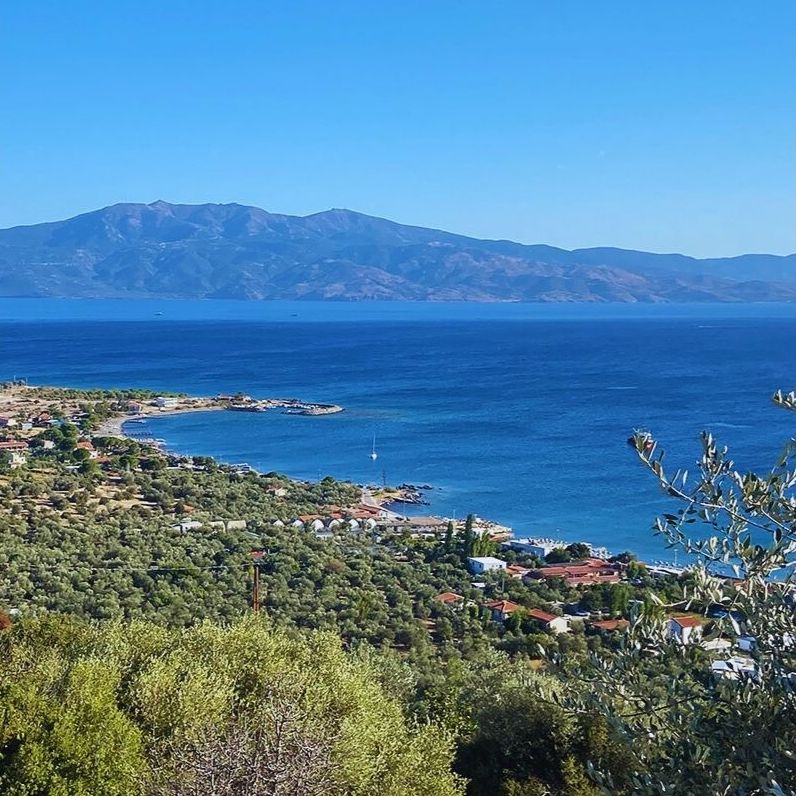 Sivrice Bay