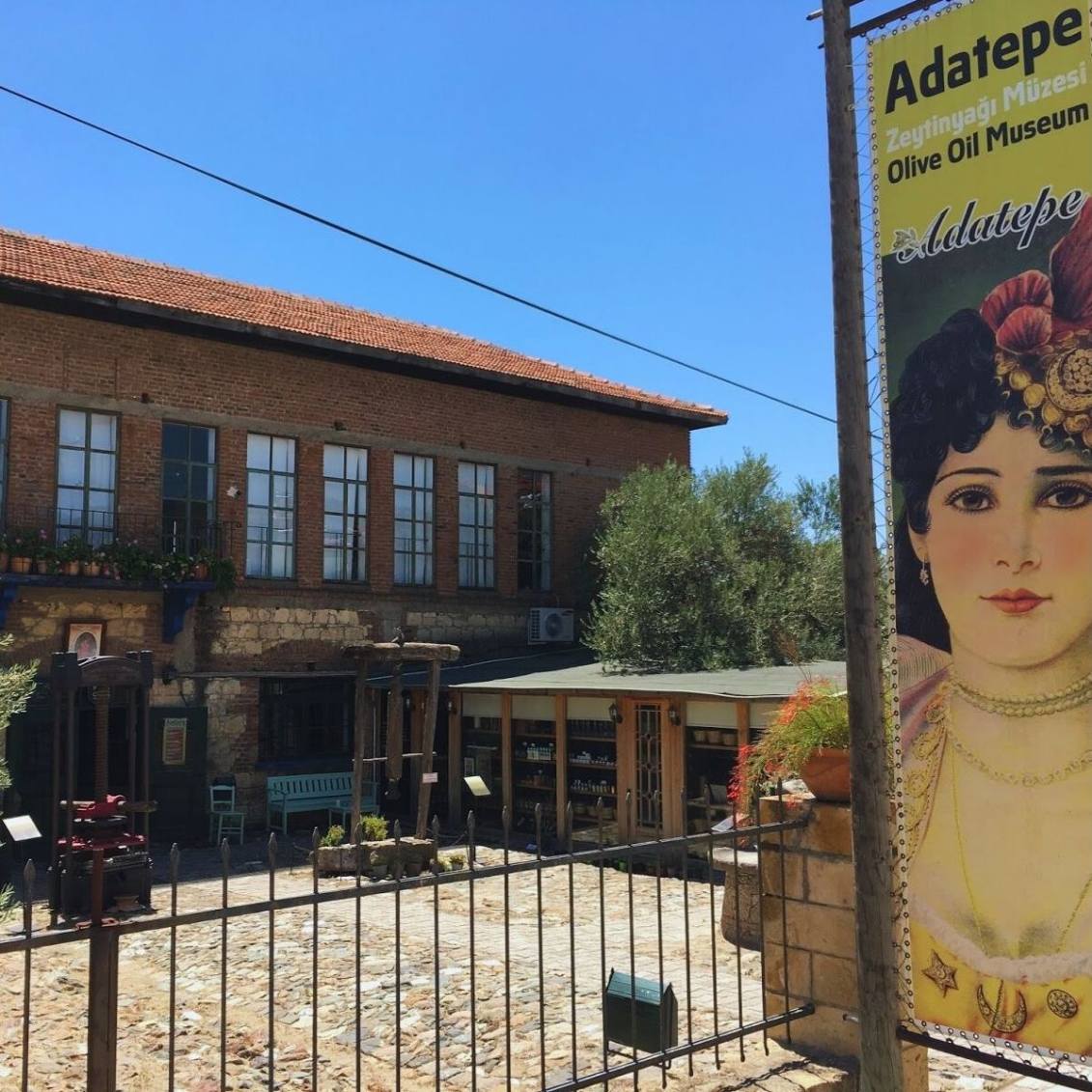
Adatepe Olive Oil Museum
The Adatepe Olive Oil Museum is located at the entrance of the town of Küçükkuyu, Türkiye, nestled at the foot of the Ida Mountains, the pearl of the Northern Aegean, surrounded by olive trees. This is not just a museum but a living monument, a time tunnel dedicated to the thousands of years of olive and olive oil culture of the Northern Aegean. For anyone interested in history and cultural tourism and planning a trip to the Ida Mountains region, the Adatepe Olive Oil Museum is a unique stop where you can witness the fruitful journey of the olive. The museum aims to increase visitors' interest in the region and inspire cultural and historical discovery routes by presenting the olive oil production process, the depths of olive culture, and the traditional life of Adatepe Village intertwined with each other.
The museum is an ideal escape point for those who want to get away from the chaos of modern city life and trace the footsteps of the past with a slow tourism approach. Here, while witnessing the arduous but magical adventure of the olive from branch to table, you will also breathe in the sincere atmosphere of the Ida Mountains villages and Northern Aegean village life. Throughout the text, we will detail the historical and cultural importance of the Adatepe Olive Oil Museum, the objects on display, the olive oil making process, and the region's connection with traditional life. We will also highlight unique accommodation alternatives like Orion Adatepe, mentioning options that will make this experience even more unforgettable.
A Journey Full of History, Culture, and Olives at the Adatepe Olive Oil Museum
The Adatepe Olive Oil Museum is a living cultural structure that emerged, inspired by the rich olive culture heritage of the Northern Aegean. This special place, which carries the traces of the past to the present day, continues to tell the story of the olive for generations.
A Journey to the Heart of Olive Culture: The Meaning and Emergence of the Museum
The Adatepe Olive Oil Museum is not just an ordinary space where objects are exhibited; it is a cultural heritage that carries and keeps alive the traces of the deep-rooted olive oil tradition of the Northern Aegean. The museum, which was brought to life in 2001 by the restoration of a former olive oil factory that had been idle for years, concretizes the region's deep connection with the olive. The olive culture and olive oil production that have been going on for centuries have played a central role in both the economic and social life of the Northern Aegean. This museum was established to preserve this tradition, pass it on to future generations, and offer visitors the opportunity to experience this unique heritage.
Every corner of the museum whispers the importance of the olive in human history. It offers visitors a time tunnel with objects like old olive presses, stone mills, huge transportation cubes where oil was stored, and special tools used for soap making. Each object reveals how olive oil was produced with great effort and skill and the arduous process it went through before reaching our tables. The museum explains that olive oil production is not just an industrial activity but also a way of life and a culture. Here, you gain a deep understanding of the sanctity of the olive tree, the fertility of the olive, and the miraculous effects of olive oil on human health. The Adatepe Olive Oil Museum emphasizes that the olive is not just a product but a philosophy of life.
Exhibited Works: The Journey of the Olive from the Branch to the Oil
The works exhibited in the Adatepe Olive Oil Museum reveal the entire adventure of the olive, step by step, from the moment it is plucked from the branch until it becomes table oil. The tools and equipment in the museum, along with periodic information panels, allow visitors to have an interactive and educational experience. The first section describes the traditional methods used in the olive harvest. Olive shaking sticks, collection nets, and baskets shed light on the labor-intensive harvest processes of the past.
Then, the stages of crushing and pressing the olives are shown. One of the most impressive parts of the museum is the old olive presses and stone mills. These massive machines visually animate how the olives were crushed and made into a paste. The process of extracting olive oil with traditional methods is explained in detail with models and animations. For those interested in olive oil production, the filter systems show the processes of separating the oil from its sediment and clarifying it, while the huge storage cubes and earthenware pots reveal how the oil was preserved. The exhibition also includes soaps and other by-products obtained from olive oil, which shows that the olive is not only oil but also a valuable raw material used in many areas of daily life. The Adatepe Olive Oil Museum meticulously documents every stage of the olive, providing comprehensive information to its visitors.
Discovering the Museum in the Calm Rhythm of Adatepe Village
The Adatepe Olive Oil Museum offers a multi-layered experience not only with its content but also with its geographical location and village environment. Although the museum is located in Küçükkuyu, Türkiye, right below Adatepe Village, the spirit of Adatepe Village and its connection to the olive complete the museum experience.
The Footprints of the Past in the Village: Stone Houses and the Universal Voice of the Olive
Adatepe Village is a calm settlement at the foot of the Ida Mountains, with stone-textured roads, authentic stone houses, and surrounded by olive trees. After visiting the museum, a short trip to this historic village will help you better understand how olive culture is intertwined with life. As you walk through the narrow streets of Adatepe Village, the rustling of the olive trees accompanies you; this sound is the universal voice of the olive that has been echoing in these lands for thousands of years. Visitors here feel both the serene nature of the Northern Aegean and the traces of the past with every step.
Adatepe Village, with its restored stone houses, is one of the most beautiful examples of traditional Northern Aegean village life. These houses reflect not only the architecture but also the history and culture of the village. Each house has its own unique story, and these stories are intertwined with the central role of the olive in the village's life. In the small shops in the village market, you can find local olive oils, olive oil soaps, and other handmade products. Adatepe Village is an authentic stop that complements the Adatepe Olive Oil Museum experience, where you can slow down and experience a simple life. This region is a priceless treasure for those looking for an experience where nature and history are intertwined.
A Discovery Enriched by Village Accommodation with Orion Adatepe
For those who want to stay in traditional stone houses during their visit to the Adatepe Olive Oil Museum, Orion Adatepe offers an alternative of comfort with the warmth of home. Orion Adatepe, which serves with 8 detached Orion Stone Houses restored in harmony with the historical texture of Adatepe Village at the foot of the Ida Mountains, gives visitors the opportunity to understand the subtleties of slow living. Each Orion Stone House offers its guests a personalized experience, combining the authentic spirit of the region with modern comfort. This Northern Aegean boutique accommodation concept makes a difference among Ida Mountains hotels.
Orion Adatepe offers the convenience of hotel services while also providing guests with the freedom and privacy of a home. These houses, with different capacities and designs, offer ideal options for both couples and families with children. After your museum visit, relaxing in the peaceful atmosphere of Orion Adatepe, adapting to the calm rhythm of the village, and enjoying the natural beauties of the region will further enrich your cultural discovery. For those looking for Adatepe accommodation, Orion Adatepe is a special address that offers an unforgettable experience and carries the spirit of Adatepe Airbnb. In this way, a visit to the Adatepe Olive Oil Museum goes beyond just a museum visit and turns into a comprehensive cultural experience integrated with the region's lifestyle.
The Legend of Refika the Olive Farmer: Meet the Cultural Memory of the Village
One of the most important elements that feed the soul of the Adatepe Olive Oil Museum and Adatepe Village are the legends that live in local narratives. One of these legends is the "Legend of Refika the Olive Farmer," which has an important place in the cultural memory of the village.
The Traces of Refika: One of Adatepe's Unforgettable Beauties
Refika, who has an important place in the local narratives of Adatepe Village, is one of the legends that nourish the soul of the museum and the village. According to the legend, a very beautiful and cheerful young woman named Refika would collect olives by singing songs in the olive groves and made a significant contribution to the village's livelihood with the olive oil and soaps she made. Her songs, the joyful moments in the olive groves, were a reflection of Northern Aegean village life at the intersection of Ottoman and Greek cultures. Refika's story shows that the olive is not just a product but also represents a way of life, a culture, and a heritage.
This legend conveys to the visitor that the Adatepe Olive Oil Museum and Adatepe Village are not just made of stones and objects but are also full of human stories, memories, and traditions. The traces of Refika can still be felt in the tools exhibited in the museum, in the rustling of the olive trees, and in the narrow streets of the village. Such local narratives make the traditional museum experience even more personal and meaningful. Visitors here not only learn about olive oil production but also discover a way of life, a culture, and stories passed down through generations.
When to Visit the Adatepe Olive Oil Museum?
Choosing the most suitable time to visit the Adatepe Olive Oil Museum can further enrich your experience. Although the museum is open to visitors all year round, certain periods can make you feel the spirit of the olive and the region more deeply.
Museum Visiting Hours and Seasonal Recommendations
The Adatepe Olive Oil Museum is open 7 days a week from 09:00 AM to 06:00 PM, and admission is free. This free service of the museum ensures that olive culture reaches a wider audience and that everyone can discover this historical heritage. One of the most special times to visit the museum is during the olive harvest in autumn. During this period, which usually lasts from mid-October to the end of December, the Ida Mountains villages and olive groves turn into a festive area. Witnessing olive picking activities and even finding an opportunity to participate in this process in some olive groves means experiencing the first steps of olive oil production firsthand. Visiting the museum during this period offers a chance to witness those magical moments where nature and production are intertwined. Having the olive oil factories in operation, feeling the smell of freshly squeezed olive oil, and perhaps having your first taste is an unforgettable experience.
Spring and summer are also great times to visit the Adatepe Olive Oil Museum. In spring, you can witness the awakening of nature and the fresh scent of the lush green olive groves, while in summer, you can combine your museum visit with the refreshing air of the Northern Aegean and the enjoyment of the deep blue sea. No matter what season you go, the Adatepe Olive Oil Museum will be an educational and enjoyable stop that will allow you to delve into the depths of the olive and the Northern Aegean. As for the question of where the Adatepe Olive Oil Museum is, it is located at the entrance of Küçükkuyu, Türkiye, in an easily accessible location on the main road. Should the Adatepe Olive Oil Museum be visited? Absolutely yes, it is a point not to be missed for those looking for a cultural and natural discovery.
Other Natural and Historical Spots to See Near the Adatepe Olive Oil Museum
A visit to the Adatepe Olive Oil Museum can be just one part of a wider exploratory trip in the Ida Mountains region. The region, in addition to the museum, also hosts many natural and historical beauties. Adatepe Village, located very close to the museum, is a center of attraction in itself. The village, which stands out with its stone house architecture, offers visitors an authentic example of Northern Aegean village life with its narrow streets, stone structures, and peaceful atmosphere. While walking in the village, you can take a break at the village cafe and taste local delicacies. Zeus' Altar, located on top of Adatepe Village, is a unique spot that offers panoramic views of the Northern Aegean and Lesbos Island. Watching the sunset here, in particular, offers a visual feast combined with a mythological experience. Another nearby village, Yeşilyurt Village, also stands out with its stone house architecture and traditional texture. Similar to Adatepe, it is a frequent stop for those seeking peace with its tranquility and natural beauties. Both villages are among the settlements that best preserve their authentic structure among the Ida Mountains villages. Ida Mountains National Park, on the other hand, offers unlimited exploration opportunities for nature lovers. Waterfalls, lush green valleys, and hiking trails are ideal for those who want to recharge their energy in the clean air. All these points will further enrich your visit to the Adatepe Olive Oil Museum and allow you to fully experience the intertwined texture of nature and history in the region.
To make a meaningful journey into nature, culture, and history, discover the Adatepe Olive Oil Museum; make this unique experience even more unforgettable by staying in the Orion Adatepe stone houses of Adatepe.
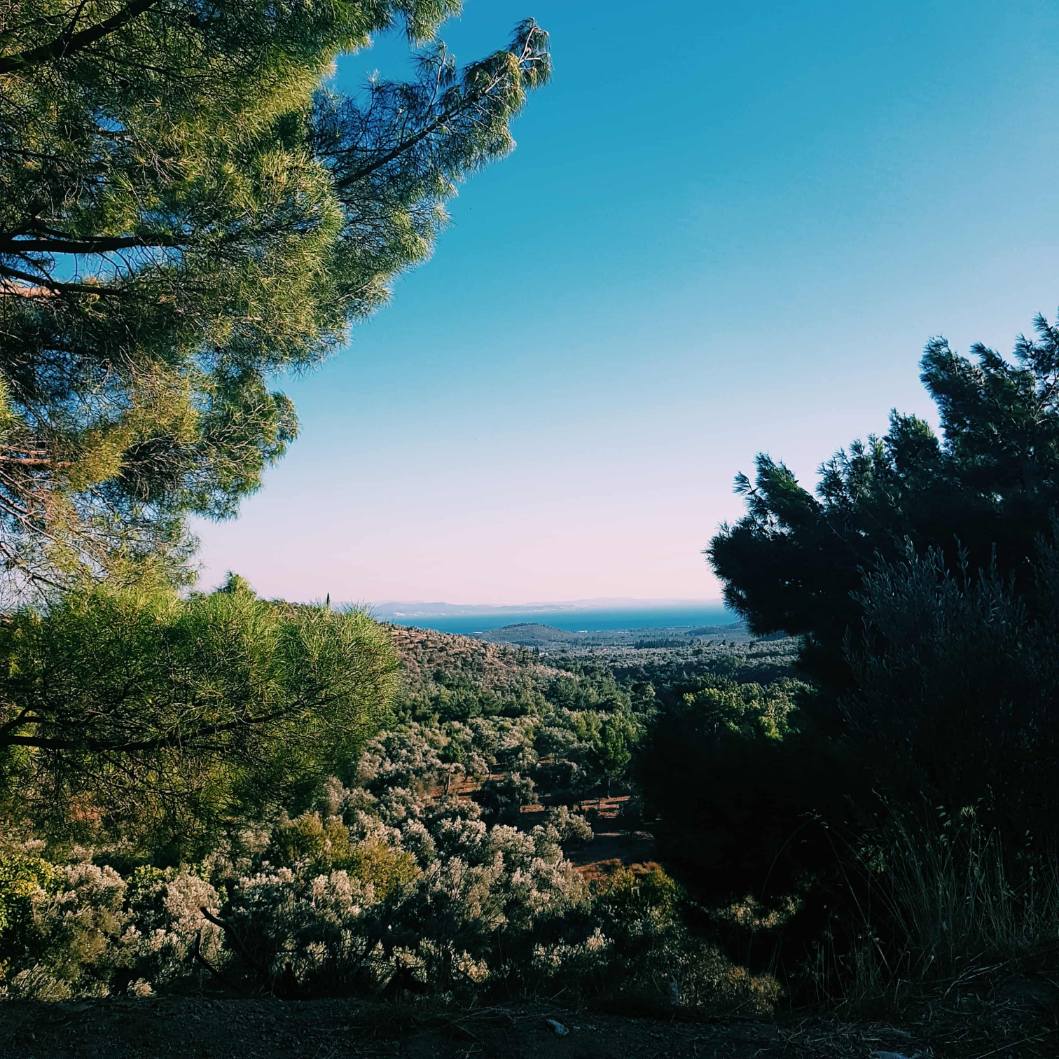 Ida Mountains (Kaz Dağları)
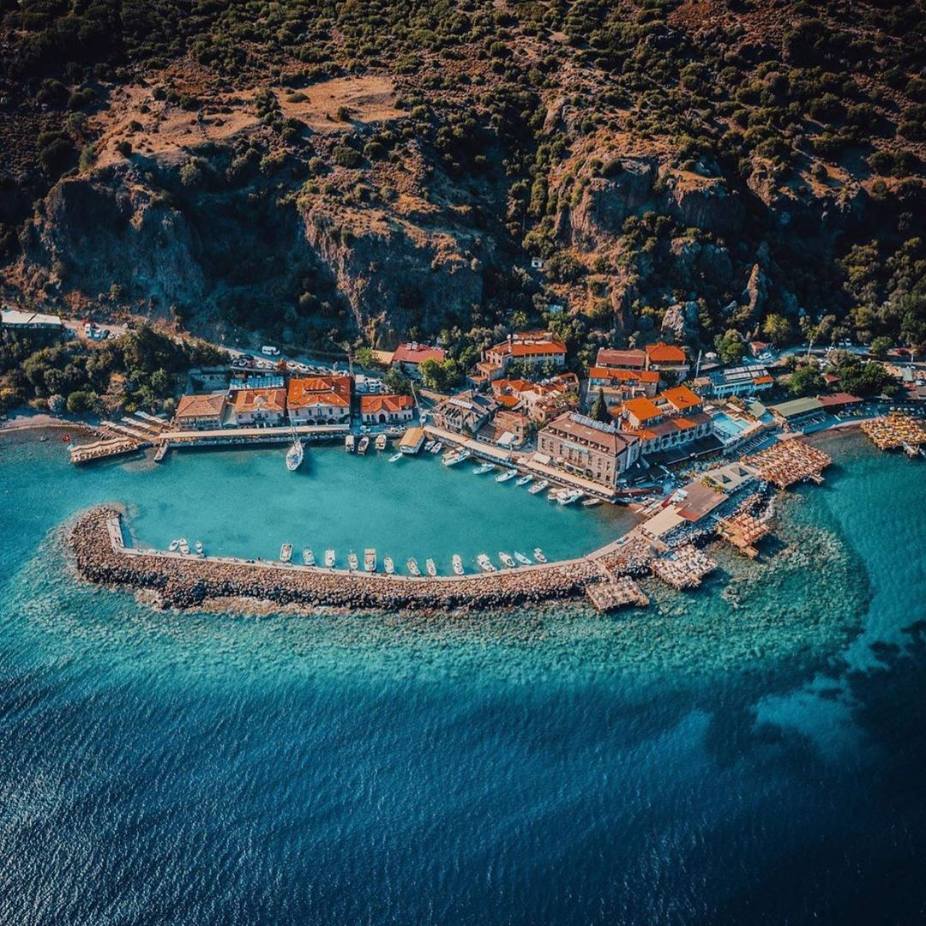 Assos
Assos
 Zeus Altar
 Adatepe Village
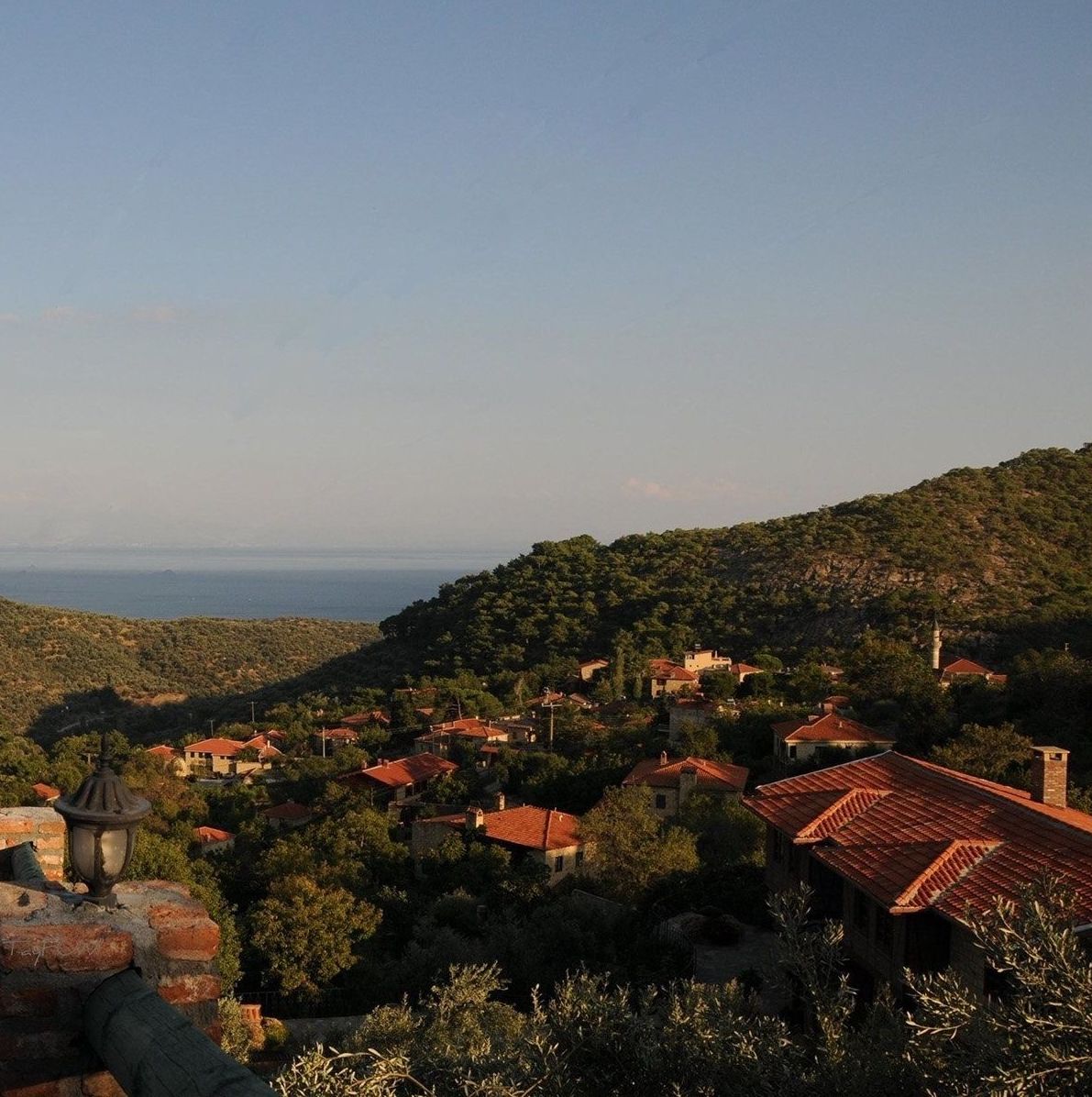 Yeşilyurt Village
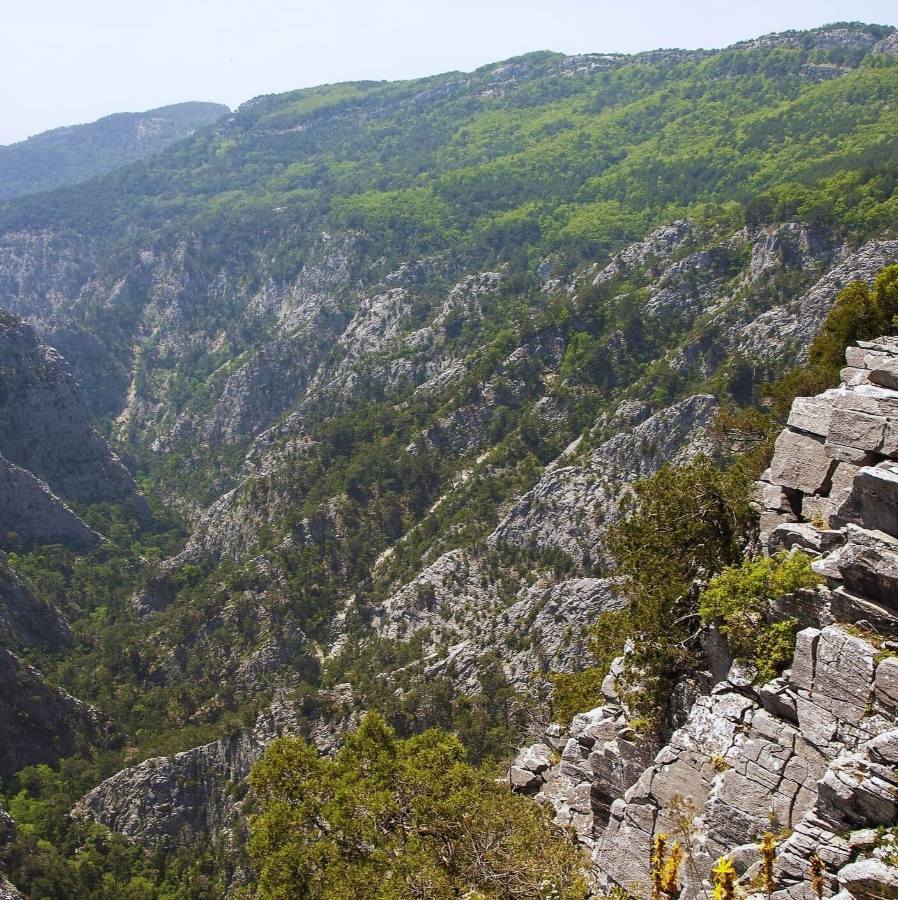 Şahindere Canyon
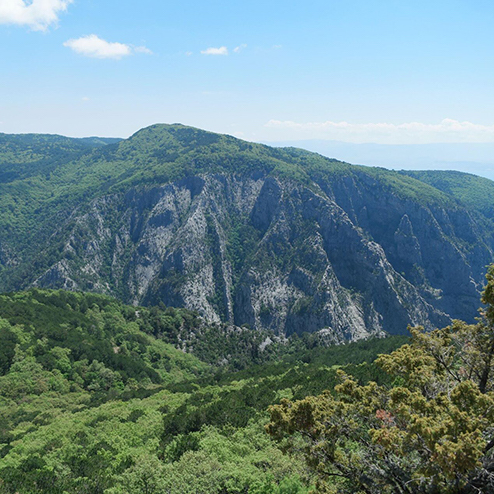 Mount Ida National Park
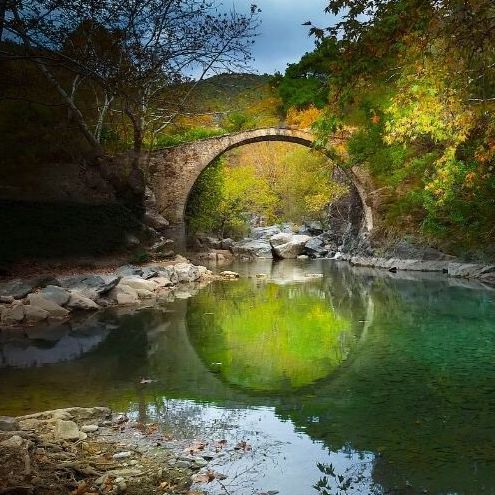 Mıhlı Waterfall
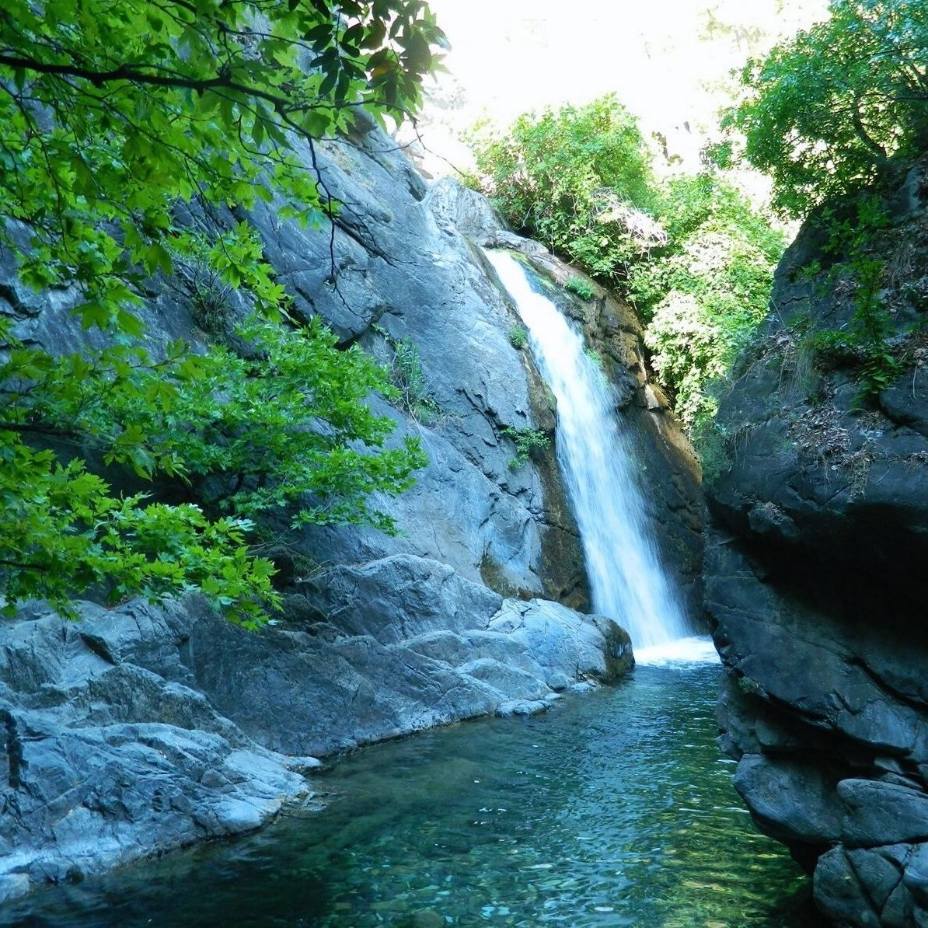 Hasan Boğuldu Waterfall
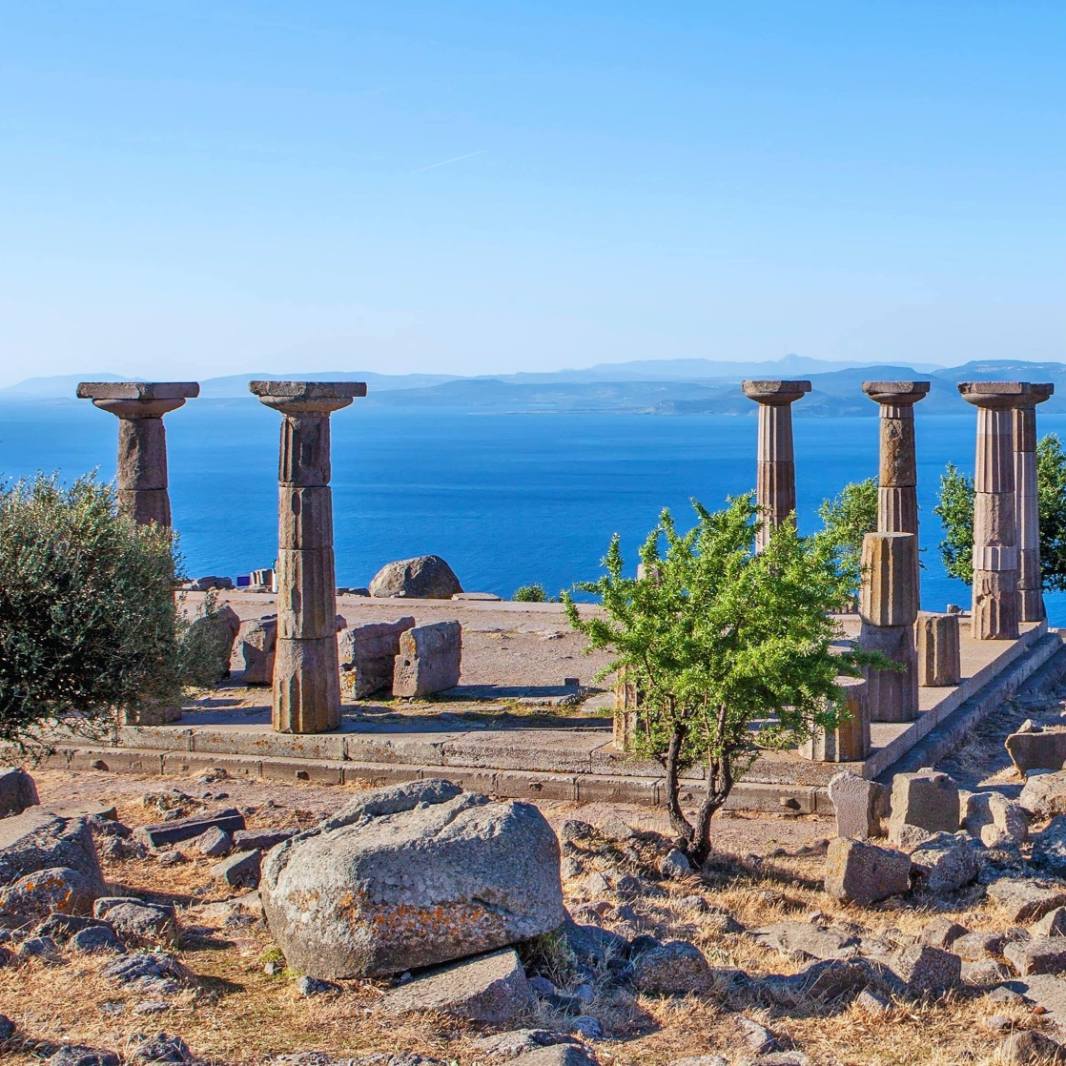 Troy Ancient City
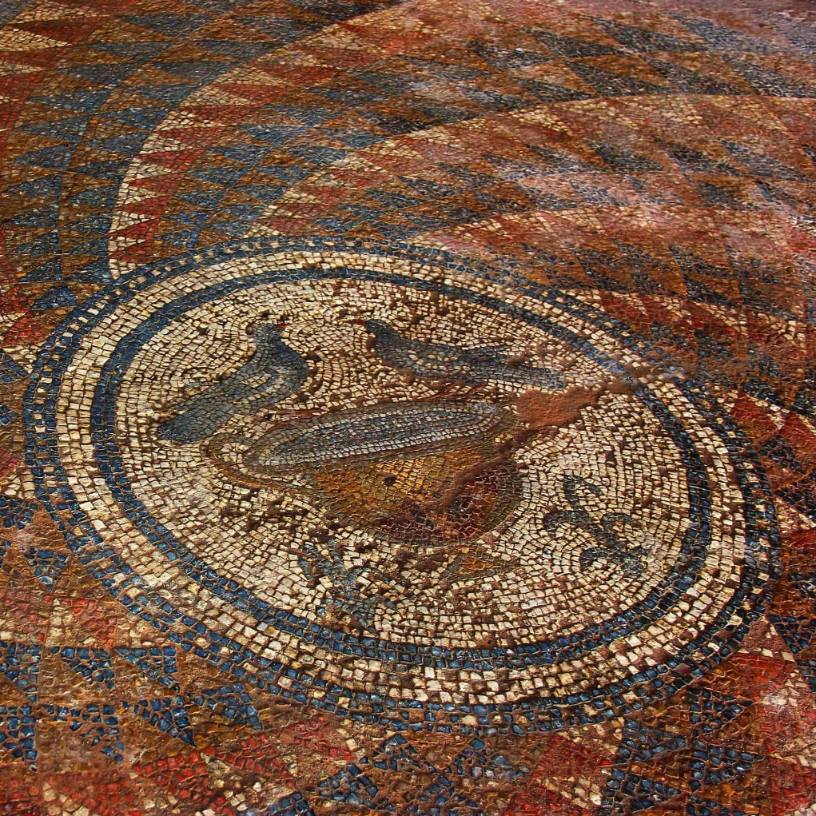 Antandros Ancient City
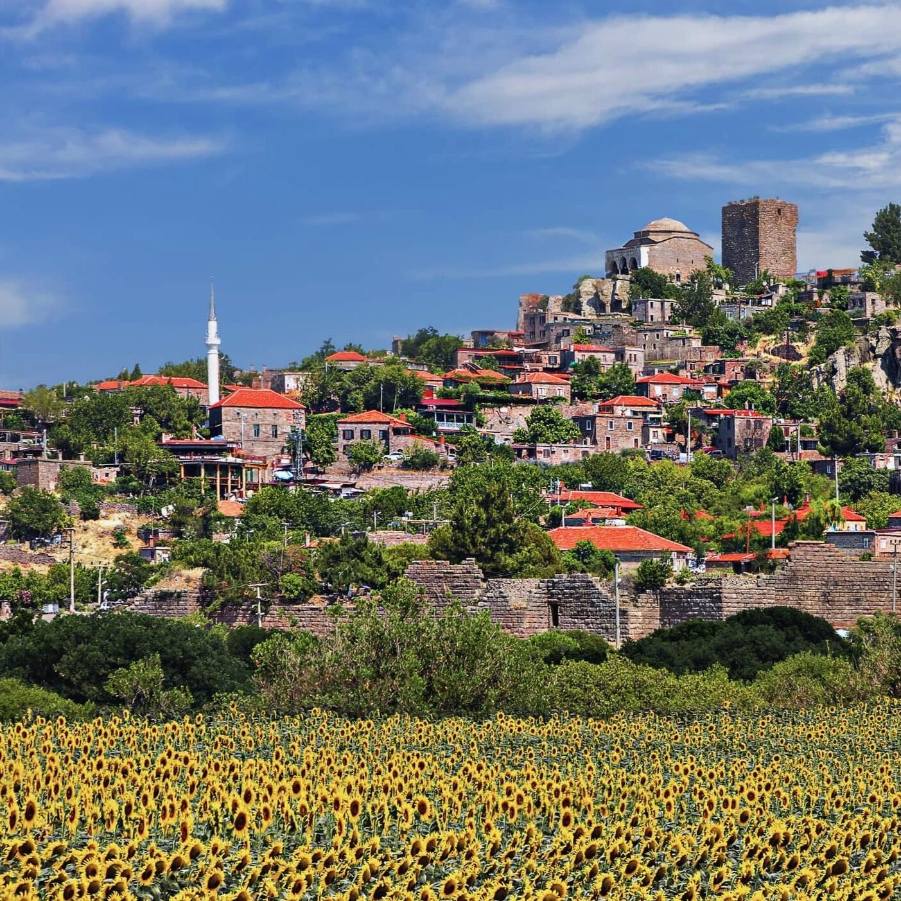 Behramkale
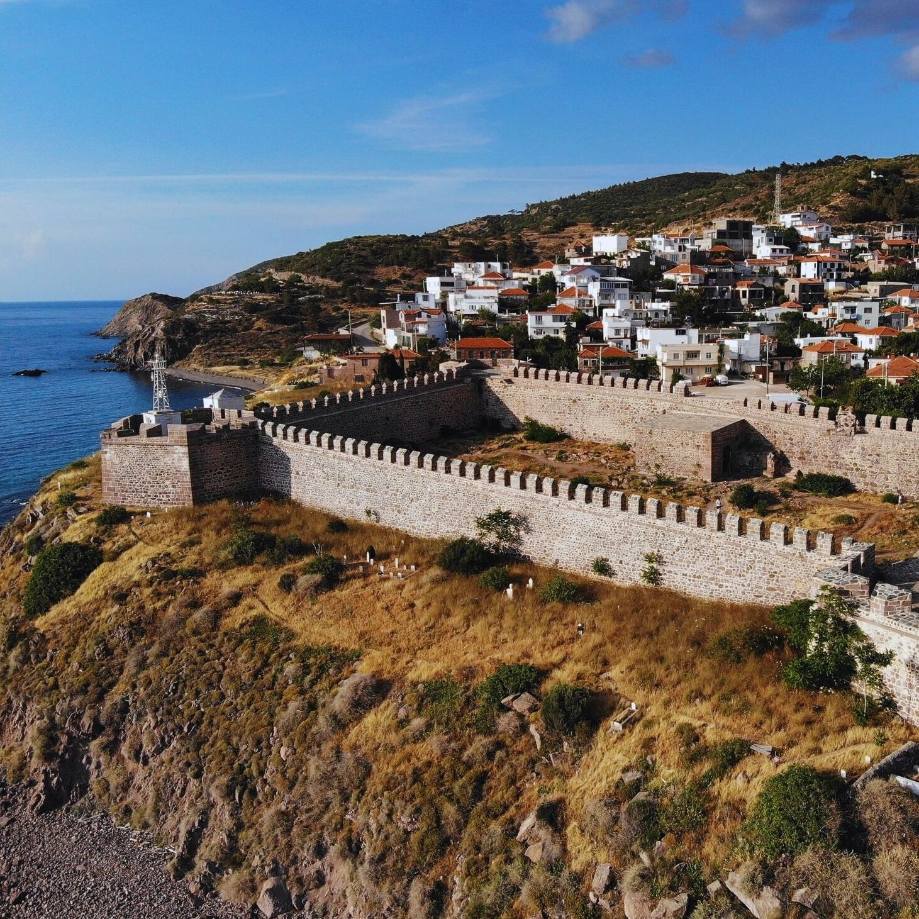 Babakale
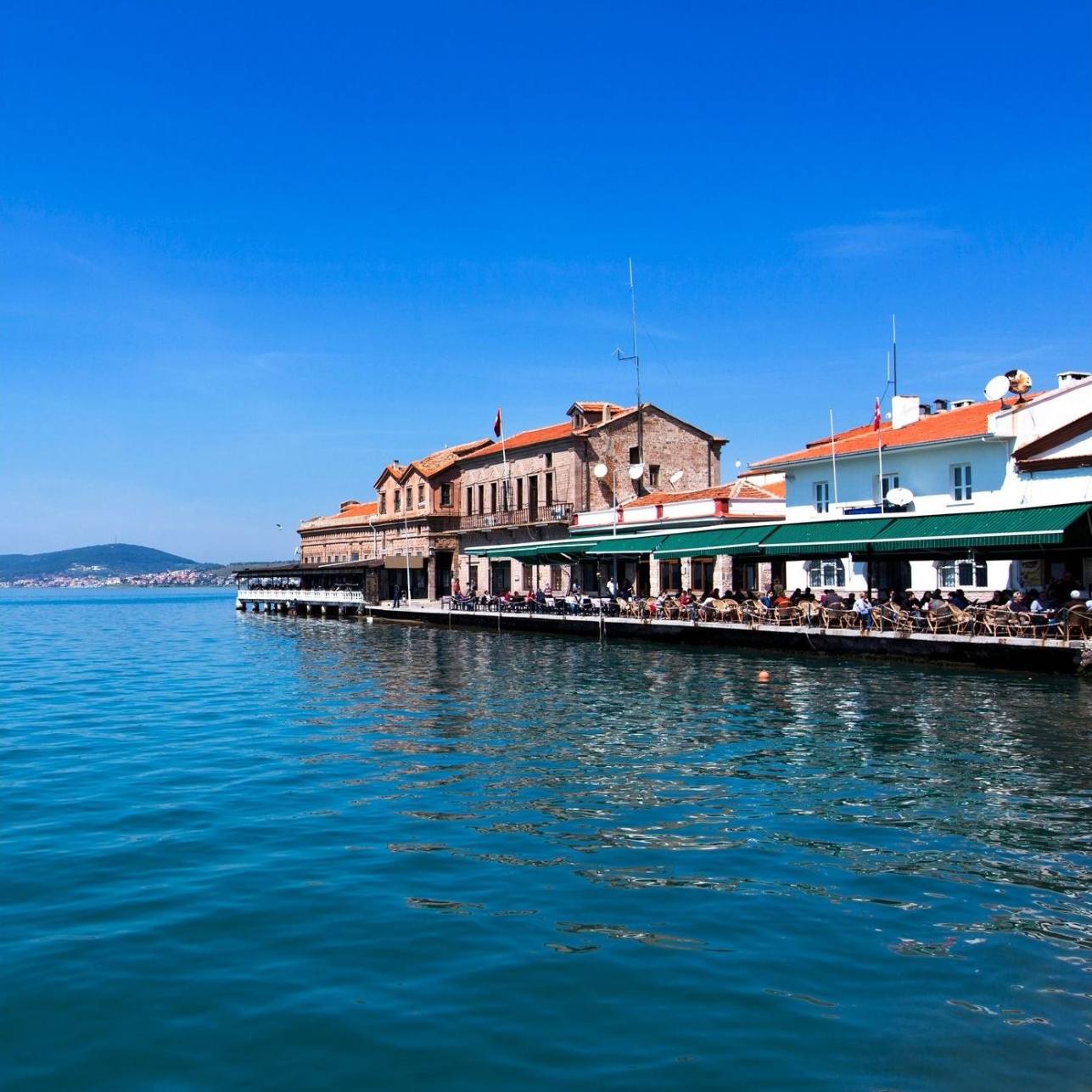 Cunda Island
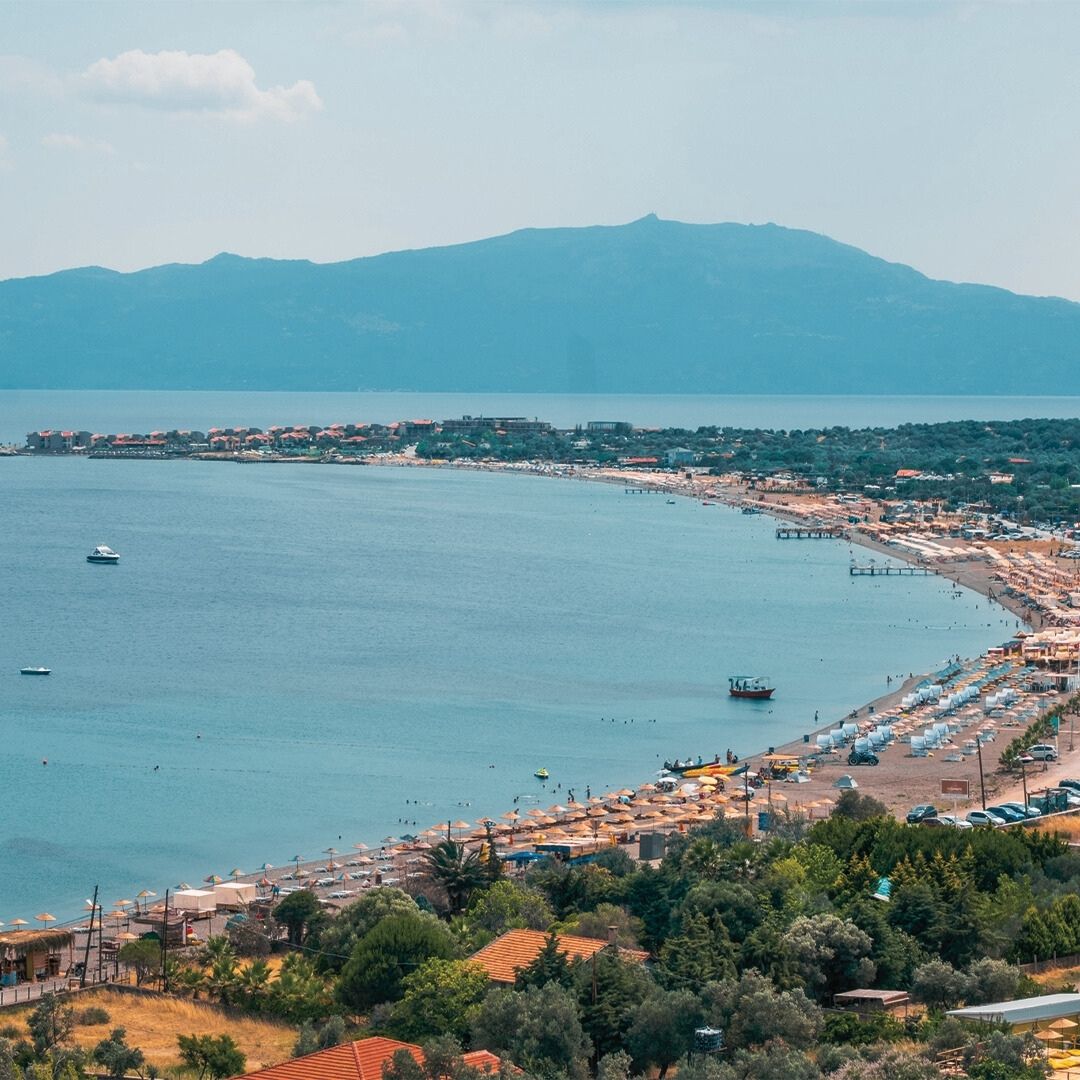 Kadırga Bay
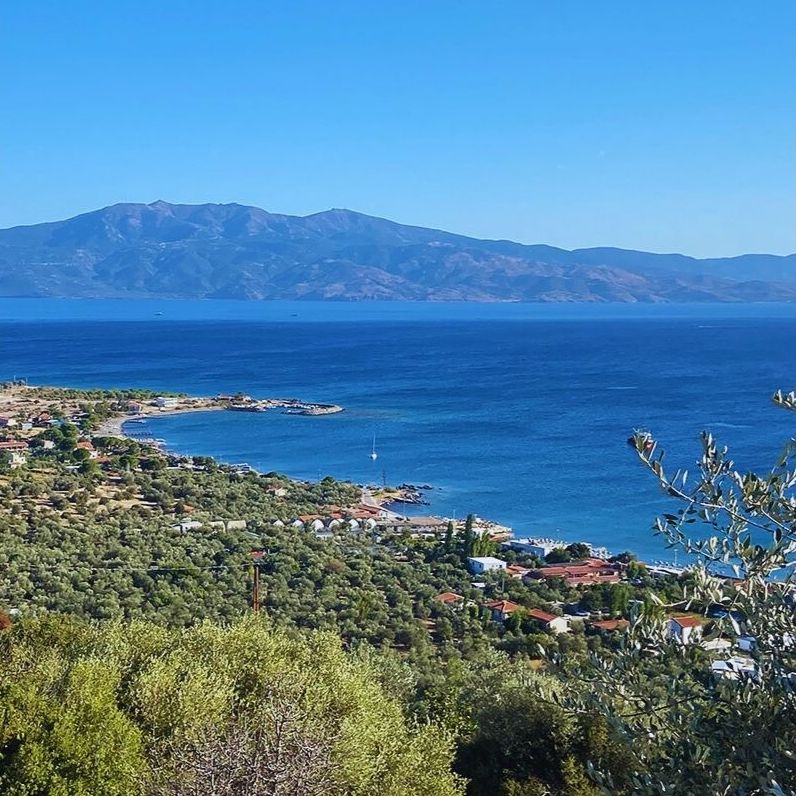 Sivrice Bay